- May 15, 2025
Mastering conceptual frameworks in research
- Miguel Moital
- Data collection, Quantitative research, Qualitative research
Conceptual frameworks are essential in shaping high-quality research. While commonly associated with quantitative studies, conceptual frameworks play an equally vital role in qualitative research, providing structure, clarity, and a guiding lens for analysis. This post highlights the key areas to consider when developing and evaluating conceptual frameworks. It is based on the two resources I recorded for the Virtual Tutor Resource on the topic of conceptual frameworks, from which a video was recorded for the YouTube channel.
What Is a Conceptual Framework?
A conceptual framework is essentially a structured representation of the relationships between key concepts in a study. It provides a lens through which researchers observe and interpret real-world phenomena. Hill (2001) encapsulates this well by stating:
The heart of scholarship is perspective, theoretical perspective. For the theoretical model of the practitioner is the lens that mediates all observations.
In simpler terms, different conceptual frameworks allow researchers to view the same phenomenon in distinct ways, influencing how they define, analyse, and structure their research.
The role of conceptual frameworks in quantitative research
Conceptual frameworks in quantitative studies help define variables and their relationships. A well-crafted framework can aid in:
👉 Identifying variables and their relationships
👉 Developing research questions and hypotheses
👉 Informing questionnaire design
👉 Structuring data analysis
👉 Clarifying research objectives
👉 Supporting generalisation across contexts
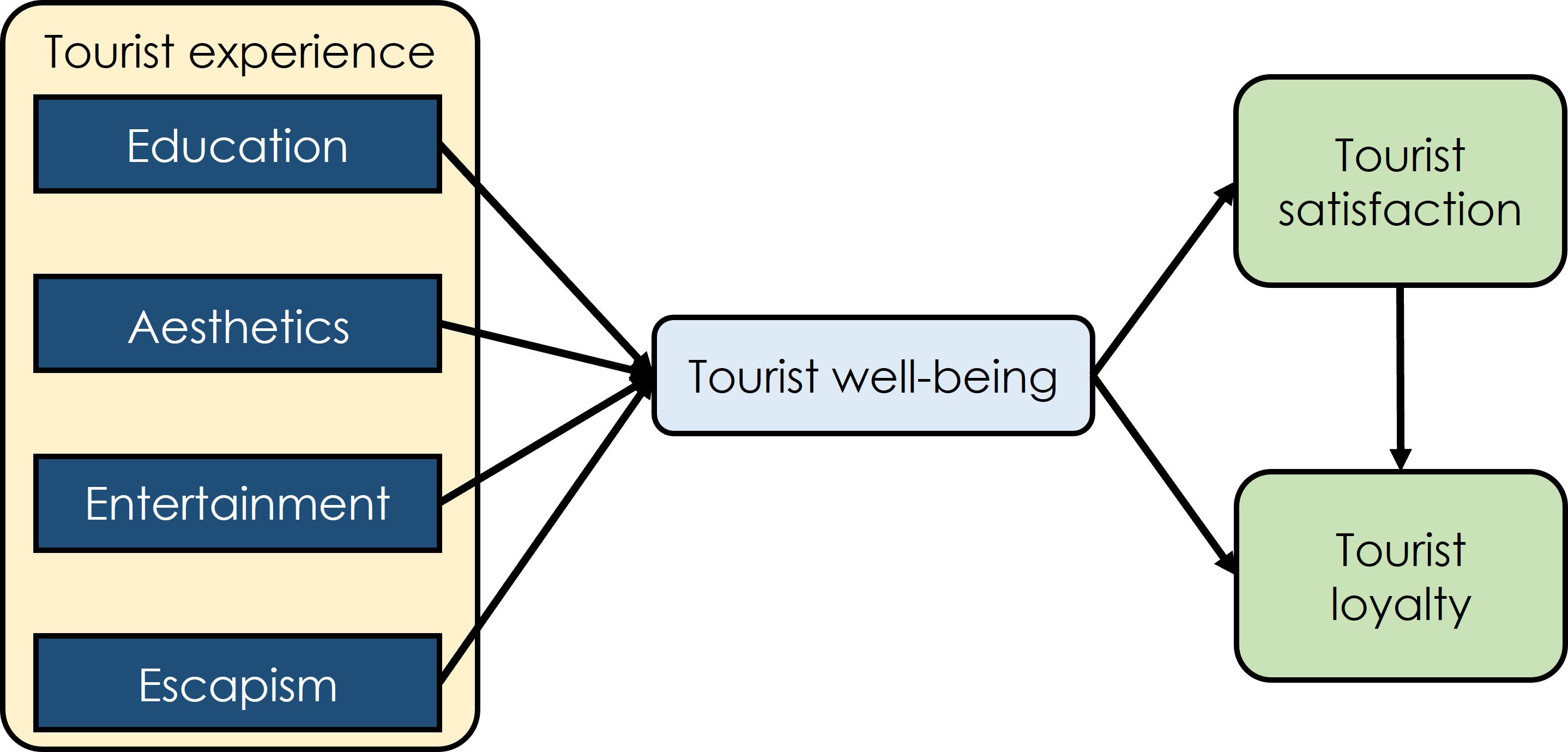
In the Quantitative Conceptual Frameworks resource explain these six uses resorting to the conceptual framework designed in the article titled From Tourist Experience to Satisfaction and Loyalty, Exploring the Role of a Sense of Wellbeing. In the YouTube video, I explain the first use only (arguably the foundational one). In this study, the conceptual framework is organised around four key concepts - tourist experience, satisfaction, loyalty, and sense of well-being - mapping their relationships in a structured manner.
The role of conceptual frameworks in qualitative research
Conceptual frameworks are just as crucial in qualitative research, offering structure for data collection and analysis. They support four important dissertation tasks:
👉 Guiding data collection
👉 Representing data
👉 Structure analysis chapter
👉 Clarifying research objectives
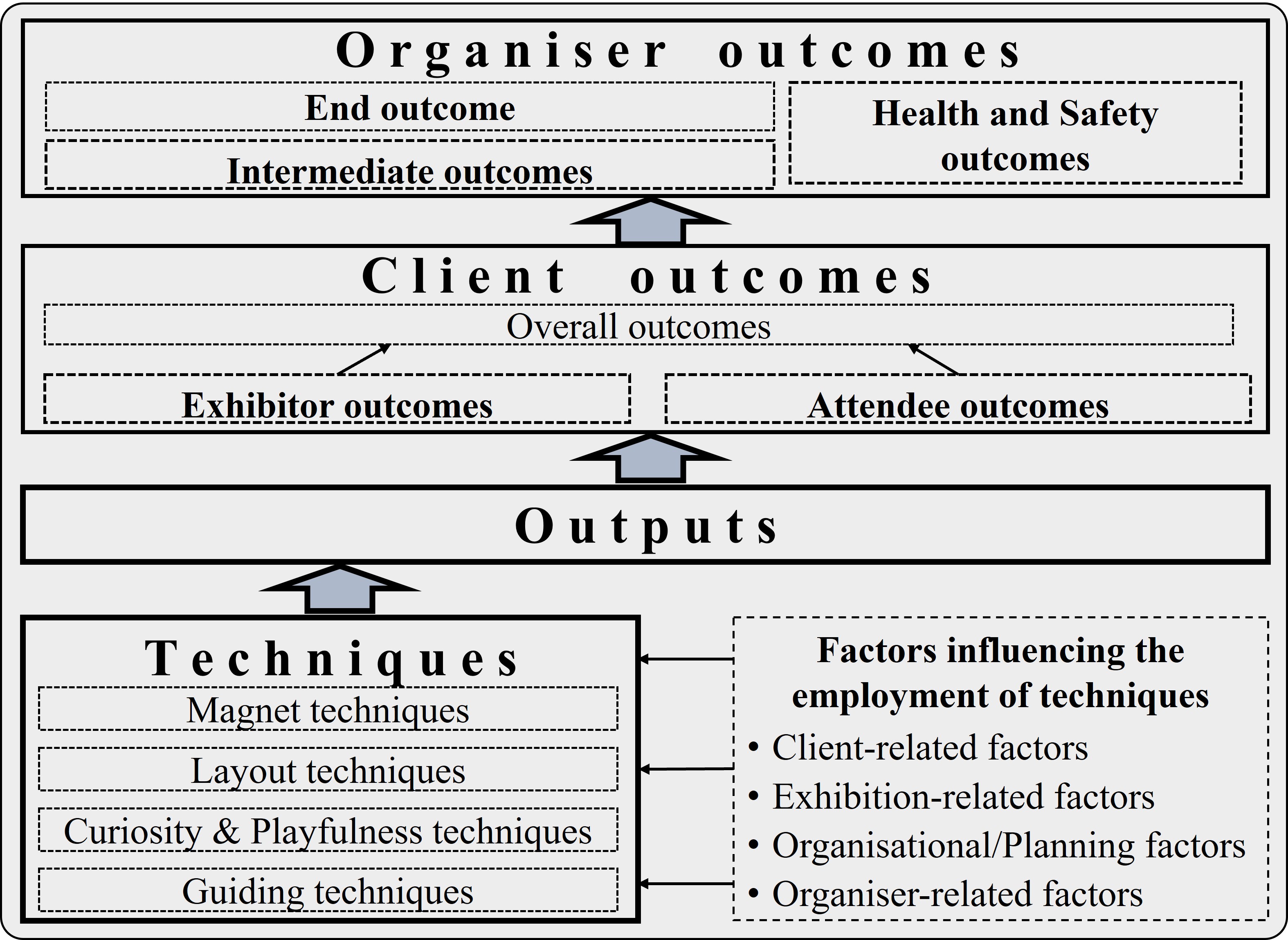
The standout standout example that features in the Qualitative Conceptual Frameworks resource comes from a dissertation that I supervised exploring circulation management at exhibitions. The conceptual framework provided a natural structure for the data analysis chapter, breaking it into outcomes, outputs, techniques, and influencing factors—ensuring clarity in reporting findings.
Building a strong conceptual framework
A well-developed framework must meet eight essential criteria. While some characteristics differ slightly between quantitative and qualitative research, the foundation remains similar:
Clear and explicit structure
Expressed schematically
Defines concepts
Explains relationships
Soundly developed concepts
Parsimony vs Reductionism
(For quantitative research) Operationalised variables for measurement / (For qualitative research) Contributing to theory development
(For quantitative research) Applicability across various contexts / (For qualitative research) Transferability across different situations
For example, developing strong frameworks requires balancing parsimony and reductionism, which means that concepts and relationships should be represented concisely without losing essential meaning.
A powerful conceptual framework: Antecedents and consequences
I also explain one particularly effective conceptual framework – which I consider to be my favourite type of framework -, which serves as a flexible model applicable across different research topics. This type of framework includes:
💪 Antecedents: Influencing factors (e.g., determinants, causes, predictors)
💪 Main Concept: Core element of research
💪 Consequences: Outcomes influenced by the main concept (e.g., reactions, responses)

In the final part of the video I provide examples of conceptual frameworks used by my dissertation students that follow the antecedents and consequences structure.
* * *
Conceptual frameworks are not just theoretical tools - they serve as practical, guiding structures that enhance the clarity, rigour, and impact of research. By understanding how to build strong frameworks, you will be able to create a study that is well-structured, insightful, and transferable across different contexts.
If you’d like to learn more about conceptual frameworks and their application in research, check out the individual resources focusing on conceptual frameworks (there's one for quantitative and one for qualitative), or get hold of the Virtual Tutor Resource, where I cover many other topics that will help you to learn how to write a better dissertation. And if you need tailored guidance, consider reaching out for direct support!
Blog articles by category
- Free
FREE Literature Review Masterclass
- Course
- 11 Lessons